Top Creative Play Ideas for Toddlers: Fun Activities for Development and Imagination
As parents, we’re always on the lookout for creative play ideas for toddlers that not only keep them entertained but also support their development.
The best toddler activities help build fine motor skills and promote imaginative play, all while being so much fun for our little ones.
Whether it’s pretend play with cardboard boxes and construction paper, or sensory bins filled with dried beans and pom poms, creative activities can turn any day into an adventure. Very young children absolutely love exploring different textures, building their hand-eye coordination, and letting their imagination run wild.
Engaging in messy play or making colored water with food coloring are fun ways to encourage free, hands-on experiences. These play activities provide hours of exploration and learning, helping to shape a well-rounded child’s life filled with joy and creativity.

Engaging Activities for Toddlers: Fun and Developmental Play Ideas
Engaging in activities for toddlers is a great way to promote development while having so much fun. From creative play ideas for toddlers to messy play with colored water, there are endless opportunities for young toddlers to explore.
Simple craft activities using construction paper, cardboard boxes, and pom poms help build fine motor skills and hand-eye coordination. Pretend play and role play encourage imaginative play, allowing children to dive into their own worlds.
Drawing and Painting
Drawing and painting are wonderful activities for toddlers that offer endless creative play ideas for toddlers.
These creative activities provide a great way for children to explore their imagination, develop fine motor skills, and improve hand-eye coordination.
Using simple materials like colored paper, construction paper, and painter’s tape, young toddlers can enjoy creating art in their own way.
These play activities not only offer so much fun but also help encourage children to express themselves, boosting their imaginative play and social skills.
Incorporating painting as part of messy play adds different textures and lets little ones learn through touch and exploration. Drawing and painting help make child’s life more colorful and full of creativity.

Color Sorting With Toys!
Color sorting with toys is a great way to help very young children develop essential skills while having so much fun!
This simple activity for toddlers involves gathering toys in various colors and encouraging little ones to sort them into matching groups. Not only is this creative play exciting, but it also helps build fine motor skills and hand-eye coordination as children explore and handle the toys.
Color sorting is one of those go-to activities that encourages imaginative play and cognitive development. It also teaches young toddlers about color recognition, organization, and problem-solving, providing them with hours of fun and helping them engage in free play.
Parents and caregivers can make sure to use different textures like pom poms, egg cartons, or colored paper to make sorting even more engaging.

Scavenger Hunt
A scavenger hunt is a great way to keep very young children engaged while boosting their development.
This creative play idea for toddlers encourages children to explore and find hidden items around the house or garden, building their observation skills and promoting imaginative play.
Whether they’re hunting for toys, colored paper, or egg cartons, a scavenger hunt can enhance fine motor skills and hand-eye coordination as they pick up and collect items.
This activity for toddlers also supports social skills and teamwork, especially when done with siblings or friends. It’s one of those play activities that toddlers absolutely love, helping them learn in fun ways while providing hours of fun and excitement.
Pretend Play Activities.
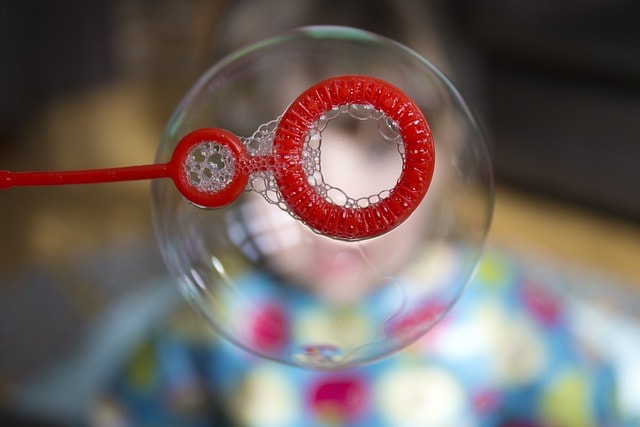
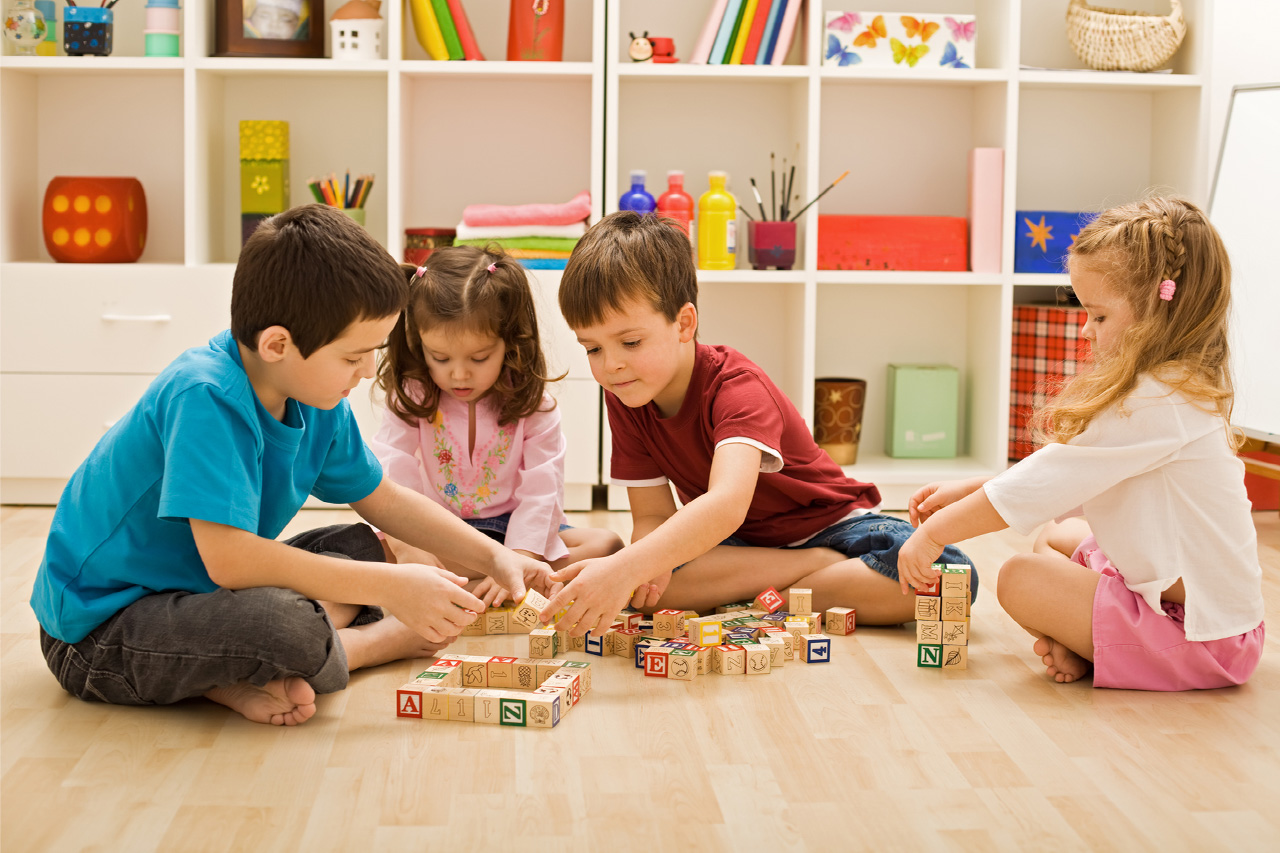
Pretend play activities are a great way to encourage imaginative play in very young children. By engaging in role play, children create their own worlds, explore different roles, and develop essential skills that benefit them throughout child’s life. Whether they’re using a cardboard box as a car, or a painter’s tape path to “drive” along, young toddlers absolutely love these experiences and gain so much fun from them.
Pretend play helps with fine motor skills, hand-eye coordination, and social skills as children mimic everyday actions, interact with others, and manipulate various objects. Simple activities for toddlers like setting up a sensory bin for a “cooking” station or sorting “grocery items” into an egg carton allow children to explore in fun ways and get creative with their surroundings.
To make pretend play more engaging, make sure to provide items with different textures and colors, like colored paper, dried beans, or pipe cleaners. These creative play ideas for toddlers provide hours of enjoyment and foster curiosity, confidence, and creativity in a busy toddler.

Boosting Fine Motor Skills: Fun Activities for Toddlers
Fine motor skills refer to the coordination of small muscles, particularly in the hands and fingers, enabling children to perform precise tasks.
Developing these skills is essential in a child’s life, helping with everyday actions like holding a pencil, tying shoelaces, and eating with utensils. Strong fine motor skills contribute to greater independence, confidence, and readiness for school.
Activities that target these skills can be so much fun for young toddlers and very young children. Here are some engaging creative play ideas for toddlers to build fine motor abilities:
-
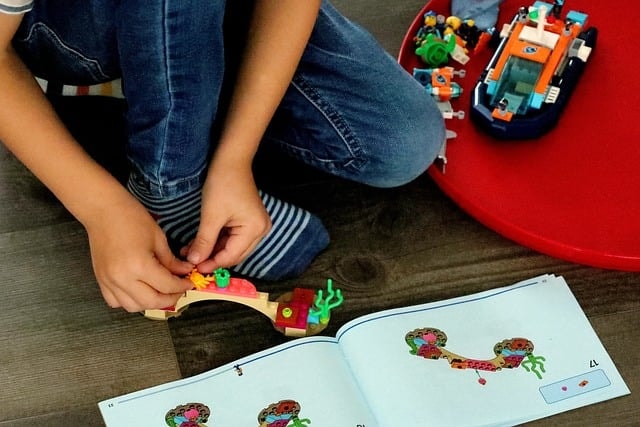
Pom Pom Sorting: Using a muffin tin, toddlers sort pom poms by color, size, or texture. This builds hand-eye coordination and teaches sorting.
-
Pipe Cleaner Threading: With a colander or cardboard tubes, toddlers can thread pipe cleaners through holes, enhancing dexterity and fine motor control.
-
Sensory Bins: Fill a bin with dried beans or colored water for messy play and let children explore textures. This strengthens tactile awareness and grasp.
-
Playdough Fun: Rolling, pinching, and shaping playdough is a great way to strengthen hand muscles.
With these activities, children explore in fun ways, encouraging essential skill development through creative play.Comparison of Fine Motor Skill Levels in Children
Here’s a bar chart illustrating the difference in skill levels between children with boosted fine motor skills and those without. This visual highlights how fine motor skills contribute significantly to areas like fine motor control, hand-eye coordination, dexterity, and independence, underscoring the importance of engaging toddlers in activities that enhance these abilities.

We are one of North West London’s
independent childcare provider
Group caring for children from
the age of three months to five
years (pre-school).