Support for Young Children's Emotions: A Guide for Parents
Helping Little Hearts Navigate Big Feelings
Have you ever watched a toddler struggle with something as simple as sharing a toy, only to have it escalate into a full-blown meltdown? It’s both heart-wrenching and a little exhausting.
As parents, caregivers, or teachers, we’ve all been there—trying to guide those tiny humans through emotions that seem larger than life. Supporting young children as they navigate these big feelings isn’t just about calming the storm; it’s about teaching them to understand and express themselves in healthy ways.
Let’s explore how we can help nurture emotional resilience in the little ones at we care so deeply about Twisty Tails Nurseries.
Understanding Emotional Development Stages

Understanding Emotional Development Stages: A Parent’s Guide
Have you ever wondered why your child can go from giggling to tears in a matter of seconds? Emotional development is a journey, and just like learning to walk or talk, kids master it in stages. Understanding these stages can help us respond with patience and empathy instead of frustration.
In infancy, emotions are simple—hunger, discomfort, or delight. As toddlers, emotions get bigger and more complex, often leading to tantrums as they learn to manage frustration. Preschoolers start to grasp empathy, but their emotional control is still a work in progress.
Here’s how you can support your child through these stages:
- Be their calm anchor: Stay patient and model how to handle emotions calmly, even during their outbursts.
- Name their feelings: Help your child identify emotions with words like “angry,” “sad,” or “excited.”
- Create a safe space: Let them express themselves without fear of judgment or punishment.
By understanding their emotional milestones, you can guide your child toward becoming a confident, emotionally healthy adult.
Creating a Safe and Nurturing Environment
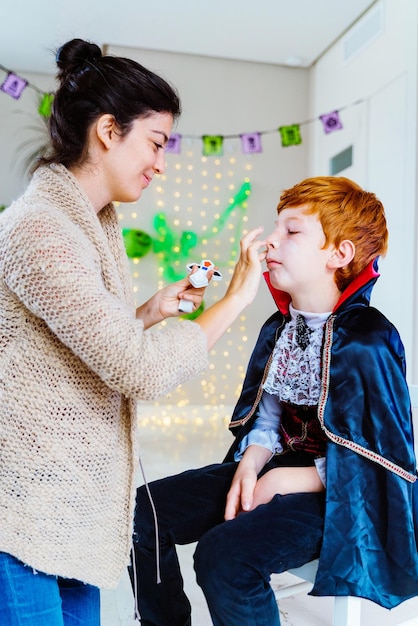
According to our philosophy at Twisty Tails Nurseries, creating a safe and nurturing environment is paramount. We believe that a supportive setting allows children to explore their emotions freely and learn to express themselves without fear.
Our facilities are designed to be secure, engaging, and welcoming, ensuring that each child feels valued and heard. By fostering a sense of belonging and security, we help children develop a strong foundation for emotional well-being.
Teaching Emotional Vocabulary

The team at Twisty Tails Nurseries is focused on enhancing children’s emotional vocabulary. Teaching children the words to articulate their feelings is a powerful tool for emotional regulation.
By integrating activities like storytelling and role play, we encourage children to express their emotions in a healthy and constructive manner. This practice not only supports emotional development but also enhances social skills and fosters empathy.
Modeling Healthy Emotional Expression
With Twisty Tails Nurseries, we understand the significance of modeling healthy emotional expression for children. Our educators demonstrate empathy, patience, and understanding, providing children with a template for handling emotions. By observing positive emotional expressions, children learn to navigate their feelings effectively, building a strong sense of self and identity.
Encouraging Open Communication
Open communication is at the heart of Twisty Tails Nurseries‘ mission. We foster an environment where children feel comfortable sharing their thoughts and emotions.
Encouraging dialogue helps children develop confidence in expressing themselves and understanding others. This practice is integral to building strong, empathetic relationships and promoting emotional growth.
For more information on how we support young children’s emotions, please visit our website: Twisty Tails Nurseries.

We are one of North West London’s
independent childcare provider
Group caring for children from
the age of three months to five
years (pre-school).