Why Is Nutrition Important For Preschoolers? A Guide For Healthy Eating Habits
Why Is Nutrition Important for Preschoolers?
Feeding preschoolers can feel like a never-ending job, right? But trust me, keeping their little tummies filled with nutritious foods is worth the effort! A balanced diet isn’t just about making sure they eat their veggies—it’s about setting them up for a lifetime of good health.
When kids get the right nutrients, it helps them grow strong and active. Foods like dairy and fortified cereals pack a punch with calcium and Vitamin D, which keep their bones tough and teeth healthy. And let’s not forget protein! Lean meats, fish, and even beans help build those muscles for all the climbing, running, and jumping around they do.
But it’s not just about the outside; their gut health matters, too! Fiber-rich foods like fruits, veggies, and whole grains are great for keeping their digestion smooth and avoiding tummy troubles. Plus, a healthy gut can help boost their immune system, keeping those sniffles at bay.
A nutritious diet gives preschoolers the energy they need to play, explore, and learn. So, while they may not always love their greens, sneaking in those healthy foods can really make a difference in helping them thrive!
Easy Ways to Keep Your Childs Healthy Diet on Track!
Keeping your child’s healthy diet on track can be a real challenge, especially when life gets busy!
As a parent, I’ve found that young children need a balance of all the food groups to fuel their growth and development. Good nutrition in early childhood is crucial for brain development, healthy teeth, and a strong immune system.
Preschoolers need all the nutrients from the four main food groups – starchy foods, protein foods, fruits and vegetables, and lower-fat dairy products – to stay healthy.
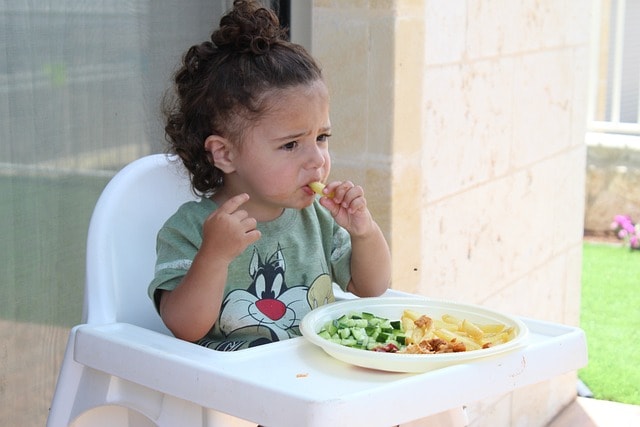
I encourage my little one to enjoy healthy eating habits by offering them two portions of fruits and vegetables daily, which helps protect their teeth and provide essential nutrients like Vitamin C. I’ve also swapped out sugary drinks and fizzy drinks for a free-flowing beaker of semi-skimmed milk or diluted fruit juice to avoid tooth decay.
For snacks, I avoid sugary foods and processed foods, opting for nutrient-dense options like sweet potatoes or whole-grain starchy carbohydrates. Teaching healthy choices early in life helps lay the foundation for a healthy weight and overall well-being in later life.
Understanding Food Groups: The Key to a Balanced Diet
Getting the right balance of food groups is essential for a healthy diet, especially for young children’s diets.
Each food group plays a unique role in supporting their growth, development, and overall well-being.
In early childhood, it’s important to encourage children to develop healthy eating habits that provide all the nutrients they need for growth and development. Here’s a breakdown of the four main food groups and how they benefit children:
-
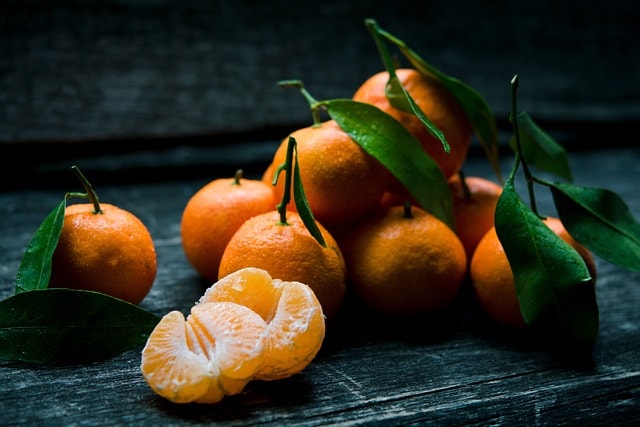
Fruits and Vegetables: These are packed with vitamins and minerals, like Vitamin C, that support the immune system, keeping children healthy and able to fight off common colds. They also promote healthy blood and protect teeth, making them crucial for dental health. Adding fruits and vegetables to healthy meals or snacks helps children get the important nutrients they need.
-
Starchy Foods: Starchy carbohydrates, such as sweet potatoes, whole-grain bread, and fortified breakfast cereals, provide all the energy needed for active children to play and learn. These foods help maintain a healthy weight and are essential for brain development, making them a key part of children’s diets during early years.
-
Protein Foods: Meat, oily fish, eggs, soya mince, and whole nuts deliver important nutrients like iron, which helps prevent iron deficiency, and Vitamin D, which supports healthy bones. Protein also aids in muscle repair and growth, keeping children strong and active.
-
Dairy and Alternatives: Lower-fat dairy products like semi-skimmed milk provide calcium for strong bones and teeth, reducing the risk of tooth decay. Including these in children’s diets supports growth and helps maintain a healthy weight.
By avoiding sugary drinks, fizzy drinks, sweet foods, and processed foods, and instead choosing nutrient-dense options, parents can ensure their children receive a balanced diet. Offering a variety of foods from each group at meal times lays the foundation for healthy eating in later life.

Including Physical Activity
Fueling Playtime: How a Healthy Diet Boosts Your Child’s Physical Activity
Ever wonder why your child’s energy seems to come and go like a rollercoaster? It could be down to their diet! A healthy eating plan isn’t just about keeping kids fit and growing; it’s also the secret sauce that powers their play.
When kids munch on the right foods—like whole grains, fruits, and lean protein—it gives them all the energy they need for running, jumping, and climbing. Starchy foods, such as whole-grain bread or sweet potatoes, are like little batteries that keep them going all day. Meanwhile, protein helps repair muscles after an epic game of tag, and fruits and veggies boost their immune system, so they don’t miss out on the fun.
But sugary snacks? They’ll just lead to a quick spike in energy, followed by a crash. So, swapping fizzy drinks for water and cookies for an apple is a game-changer!
Check out the graph below to see how different food groups help support your child’s physical activity.


We are one of North West London’s
independent childcare provider
Group caring for children from
the age of three months to five
years (pre-school).